


Mastering Electronics Diy – Part 5: Turning Your Diy Projects Into Market-Ready Prototypes
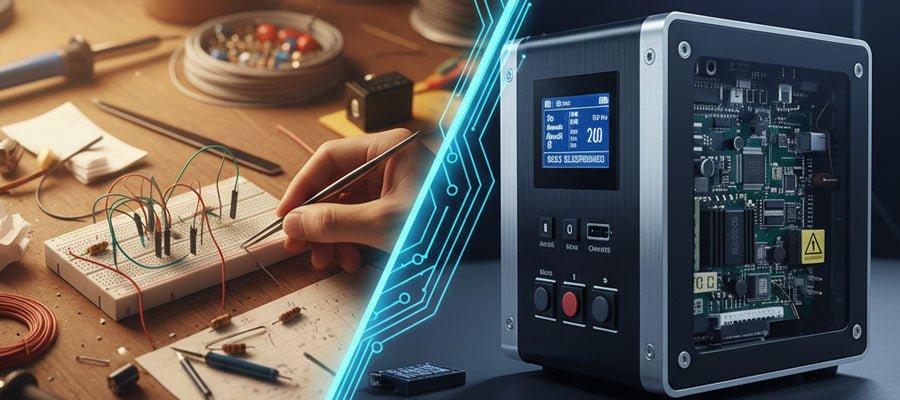
From Hobbyist Builds to Professional-Grade Design: As we progress into Part 5 of the Mastering Electronics DIY series, you move from experimenting with circuits and automation to transforming your DIY creations into polished, market-ready prototypes. This step bridges the gap between casual tinkering and real-world product development, bringing together engineering precision, safety, aesthetics, and user experience. It’s here that your ideas begin evolving into devices that can be manufactured, sold, and used with confidence.
Refining the Circuit for Real-World Use: The first major step is upgrading your breadboard setup into a stable and optimized PCB design. Breadboards are ideal for experimentation, but cannot withstand long-term usage. Converting to a well-designed PCB ensures reliability and reduces electrical noise, component loosening, and performance inconsistencies. This is also the stage to upgrade components to industrial-grade quality and integrate essential protective features—lessons you can observe in professionally engineered devices from Gelco Electronics, which incorporate overload protection, voltage control, thermal safeguards, and precise circuit routing.
Ensuring Safety and Protection Standards: A project becomes “market-ready” only when it includes robust safety features. This means integrating mechanisms like short-circuit protection, automatic overload shutdown, surge suppression, thermal cutoffs, and under/over-voltage control. Such additions transform your basic functional project into a dependable consumer-ready device. Without these safeguards, even a well-designed circuit can easily fail when faced with real-world electrical inconsistencies.
Designing an Enclosure That Elevates Functionality: A professional product isn’t complete without a thoughtfully designed enclosure. Whether you choose 3D printing, acrylic fabrication, or custom ABS moulding, the enclosure must support heat dissipation, wiring convenience, and component safety while offering user-friendly access points like switches, indicator LEDs, or ports. A good enclosure doesn’t just protect—it enhances usability, makes the device intuitive, and improves its overall aesthetic appeal.
Testing: The Backbone of a Reliable Prototype: Once the prototype is assembled, thorough testing becomes critical. Functional testing ensures your device works as intended, while stress testing challenges it under demanding conditions such as voltage fluctuations or extended usage. Environmental tests—like exposure to heat, humidity, or dust—help determine how well your product can handle real-world scenarios. Rigorous testing early in development helps prevent failures and reduces redesign costs later.
Documenting Every Step for Smooth Scaling: Proper documentation is often overlooked by hobbyists, but it is vital for anyone aiming to commercialize their project. Detailed circuit diagrams, PCB files, component lists, firmware documentation, safety precautions, and user instructions form the backbone of a scalable product. Documentation ensures consistency and simplifies troubleshooting or manufacturing expansion in the future.
Moving Into Small-Batch Production: After refining the technical aspects, the next milestone is small-batch manufacturing. Working with PCB manufacturers, assembling limited units, and checking each for consistency gives you insights into production challenges. This phase also helps you optimize component sourcing and reduce costs before you scale up. Small-batch manufacturing is the safest way to transition from prototype to commercial product without heavy investment.
Gathering Feedback Through Pilot Testing: To refine your product even further, real-world feedback is invaluable. Sharing your prototype with early testers—technicians, homeowners, or small businesses—helps you understand its practicality, durability, and ease of use. This feedback loop helps you adjust design elements, improve safety features, and enhance usability before entering full production.
Adding Smart Features to Stay Future-Ready: In today’s tech-forward world, adding features like Wi-Fi connectivity, mobile app integration, automation, energy monitoring, or self-diagnostic alerts can significantly increase your product’s value. Modern consumers look for smart, intuitive solutions, and adding such capabilities can turn a basic device into a high-demand innovation ready for the market.
From Prototype to Product: The Journey Ahead: Turning a DIY project into a market-ready prototype is a challenging but deeply rewarding process. It requires technical expertise, creative design thinking, and a problem-solving mindset. With this fifth installment, you’ve officially stepped into the world of product developers—moving from hobbyist experimentation to structured innovation. Stay tuned for the final part of our Mastering Electronics DIY series, where we’ll guide you through launching your product, finding the right customers, and taking your creation from prototype to production at scale.


