


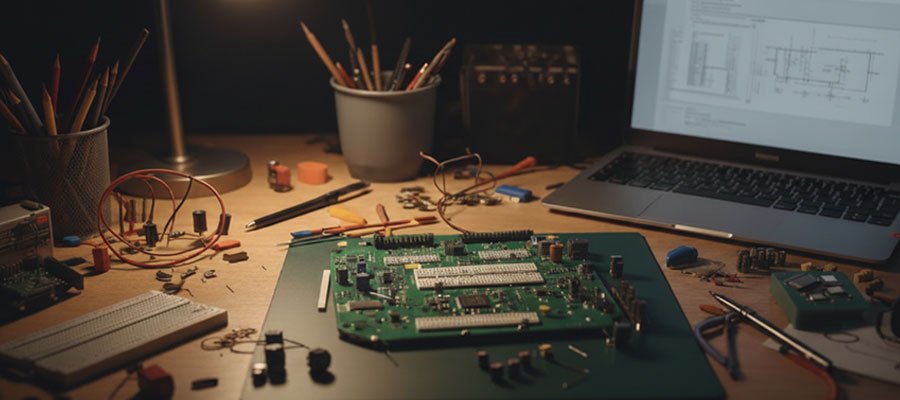
Mastering Electronics DIY – Part 6: From Prototype To Production – Launching And Scaling Your Electronics Innovation
Over the course of the Mastering Electronics DIY series, we’ve walked through the complete journey of building electronics—from understanding essential tools and beginner-friendly projects to tackling intermediate and advanced designs, automation, and smart systems. Each part was designed to help you grow from a curious learner into a confident builder. In this final chapter, we bring everything together and take the most important step forward: transforming your DIY project into a market-ready product. This stage is where innovation meets execution, and where thoughtful design, testing, and scalability determine long-term success.
Refining Your Prototype for the Real World: A functional prototype is an achievement, but a production-ready product demands more. At this stage, your design must be evaluated for reliability, safety, and consistency. This includes stress testing under varying voltage conditions, ensuring component tolerances are well within limits, and refining PCB layouts for manufacturability. Simplifying circuit design, selecting readily available components, and reducing unnecessary complexity can significantly improve production feasibility without compromising performance.
Designing for Manufacturability and Compliance: Moving toward production requires designing with manufacturing processes in mind. Factors such as component placement, soldering methods, enclosure design, and thermal management play a critical role in product longevity. Compliance with electrical safety standards, insulation norms, and electromagnetic compatibility requirements is equally important. These considerations not only protect end users but also build trust in your product when entering regulated markets.
Identifying the Right Market Fit: Even the most innovative product needs a clear market to succeed. Understanding who your product serves—whether homeowners, industries, agriculture, or commercial users—helps refine features and pricing. Conducting small pilot deployments, gathering user feedback, and observing real-world usage can provide valuable insights that guide final improvements. This phase ensures your product solves a real problem and delivers measurable value.
Scaling from Small Batches to Mass Production: Once the product design is validated, scaling becomes the next challenge. Transitioning from small batch builds to volume production involves streamlining assembly processes, establishing consistent quality checks, and optimizing supply chains. Partnering with experienced electronics manufacturers can help maintain quality while meeting growing demand. Automation, standardized testing procedures, and documentation become essential tools for scalability.
Launching with Confidence: A successful launch is built on preparation. Clear product documentation, installation guides, and after-sales support structures enhance customer confidence. Branding, packaging, and communication should highlight reliability, safety, and performance—qualities that define professionally engineered electronics. A well-planned launch ensures your innovation doesn’t just enter the market but earns trust and adoption.
From DIY to Professional Innovation: The Mastering Electronics DIY series was created to empower builders, innovators, and aspiring engineers to think beyond experimentation. By understanding the full lifecycle—from concept and circuit design to testing, production, and scaling—you’re equipped to create electronics that stand up to real-world demands. Whether your goal is entrepreneurship, product development, or deeper technical mastery, this journey marks the transition from DIY enthusiast to professional innovator.
At Gelco Electronics, we believe strong ideas deserve strong engineering. As you move from prototype to production, remember that thoughtful design, reliable protection, and scalable manufacturing are the foundations of lasting innovation.


